
What is endometriosis?
Endometriosis is a chronic gynecologic condition in which tissue similar to the endometrium grows outside the uterine cavity. This tissue can be found on the ovaries, fallopian tubes, pelvic peritoneum, urinary bladder and bowel.
It affects about 10% of women of reproductive age worldwide, and is one of the most common causes of chronic pelvic pain and infertility.
Early diagnosis and treatment are essential. The sooner the condition is identified, the more effective treatment options become and the more your quality of life can improve.
Symptoms of endometriosis
Endometriosis presents differently from one woman to another. Recognizing the symptoms is the first step toward an accurate diagnosis.
Severe dysmenorrhea
Intense menstrual pain that does not respond to ordinary pain relievers and progressively worsens over time.
Chronic pelvic pain
Persistent pain in the pelvic area that can also appear outside of menstruation.
Dyspareunia
Pain during or after sexual intercourse, especially deep pain, is a common symptom.
Infertility
30–50% of women with endometriosis have difficulty conceiving.
Cyclical digestive symptoms
Bloating, constipation, diarrhea or abdominal pain that worsens during menstruation.
Cyclical urinary symptoms
Frequent urination, painful urination or blood in the urine during menstruation.
Chronic fatigue
Persistent exhaustion that affects your ability to carry out normal daily activities.
Abnormal bleeding
Heavy bleeding, prolonged periods or spotting between menstrual cycles.
Severe menstrual pain is NOT normal. If menstrual pain affects your quality of life, do not ignore it. An early diagnosis can make the difference.
Book Pre-Consultation →Causes and risk factors
The exact cause of endometriosis is not fully understood, but several factors contribute to the development of the condition.
Retrograde menstruation
Menstrual blood flows back through the fallopian tubes into the peritoneal cavity, where endometrial cells implant and grow. This is the most widely accepted theory.
Genetic factors
Women with first-degree relatives affected have a 5–7 times higher risk of developing endometriosis. Studies have identified multiple associated genetic variants.
Immunological factors
Dysfunctions of the immune system may allow endometrial tissue to survive and grow in abnormal locations without being cleared by the body.
Hormonal factors
Estrogen plays a central role in the development of endometriosis. Hormonal imbalances can stimulate the growth of ectopic endometrial tissue.
Known risk factors
- Family history of endometriosis (mother, sister)
- Early menarche (first period before age 12)
- Short menstrual cycles (under 27 days)
- Heavy, prolonged periods (over 7 days)
- Nulliparity (no prior pregnancies)
- Anomalies of the reproductive tract
Diagnostic methods
An accurate diagnosis is fundamental to building the right treatment plan. We use the most advanced diagnostic methods available.
Specialized transvaginal ultrasound
Transvaginal ultrasound performed by an experienced specialist can identify ovarian endometriomas, deep endometriosis nodules and adhesions. The technique requires dedicated expertise.
Magnetic resonance imaging (MRI)
Pelvic MRI provides detailed images of the pelvic structures and can identify deep endometriosis lesions, especially those affecting the bowel, bladder or ureters.
Diagnostic laparoscopy
Laparoscopy allows direct visualization of endometriosis lesions and biopsy sampling for histological confirmation. It also allows treatment in the same session.
Gold standardTreatment options
The treatment plan is personalized based on symptom severity, extent of disease, fertility goals and your preferences.
Medical treatment
- Nonsteroidal anti-inflammatory drugs (NSAIDs) — for pain control and inflammation reduction in mild forms
- Combined hormonal contraceptives — suppress ovulation and reduce the growth of ectopic endometrial tissue
- Progestins — dienogest and other progestins reduce endometriosis lesions and improve symptoms
- GnRH agonists — create a temporary medically induced menopause to shrink lesions
- Combined therapy — a multidisciplinary approach for complex cases, including pain management
Surgical treatment
- Complete laparoscopic excision — removal of all endometriosis lesions while preserving reproductive organs
- Da Vinci robotic surgery — maximum precision in complex cases, with accelerated recovery
- Deep endometriosis surgery — specialized procedures for lesions affecting the bowel, bladder or ureters
- Reproductive surgery — restoration of pelvic anatomy and improvement of fertility
- Multidisciplinary approach — collaboration with colorectal and urologic surgeons for extensive cases
Da Vinci robotic surgery
The Da Vinci robotic system is the most advanced surgical technology available, offering significant advantages in the treatment of complex endometriosis.
3D visualization
High-definition three-dimensional imaging with up to 10x magnification for precise identification of all lesions.
7 degrees of freedom
Articulated instruments exceed the dexterity of the human hand, allowing precise maneuvers in narrow anatomical spaces.
Tremor elimination
The system fully filters the natural tremor of the surgeon's hands, ensuring precise movements.
Superior precision
The precision of the robotic instruments allows meticulous tissue dissection while protecting healthy structures.
Minimal blood loss
Precise hemostasis and careful tissue handling significantly reduce intraoperative blood loss.
Accelerated recovery
Minimal incisions, reduced postoperative pain and fast return to normal daily activities.
Post-treatment recommendations
Recovery after endometriosis treatment requires attention and adherence to medical recommendations for optimal long-term results.
Rest and gradual recovery
Follow the rest period recommended by your doctor. Return to daily activities should be gradual, depending on the type of procedure.
Maintenance hormonal therapy
If postoperative hormonal therapy is prescribed, follow the schedule to help prevent recurrence and maintain surgical results.
Regular follow-up visits
Schedule the recommended follow-up appointments. Periodic monitoring allows early detection of any recurrence.
Balanced lifestyle
An anti-inflammatory diet, regular moderate exercise and stress management help reduce symptoms and prevent recurrence.
Psychological support
Endometriosis can affect emotional health. Do not hesitate to seek psychological support if you feel the need. Support groups can help.
Open communication with your doctor
Report any new or persistent symptoms. Open communication allows the treatment plan to be adjusted for the best results.
Questions and answers about endometriosis
Answers to the most common questions patients ask about endometriosis.

Want to learn EVERYTHING about endometriosis?
We have written a comprehensive guide (over 4,000 words) that covers everything: 2026 definition, causes, the four types of endometriosis, symptoms, modern diagnosis (IDEA protocol), all treatment options, pregnancy and 10 myths debunked.
📖 Read the complete guide →Related articles
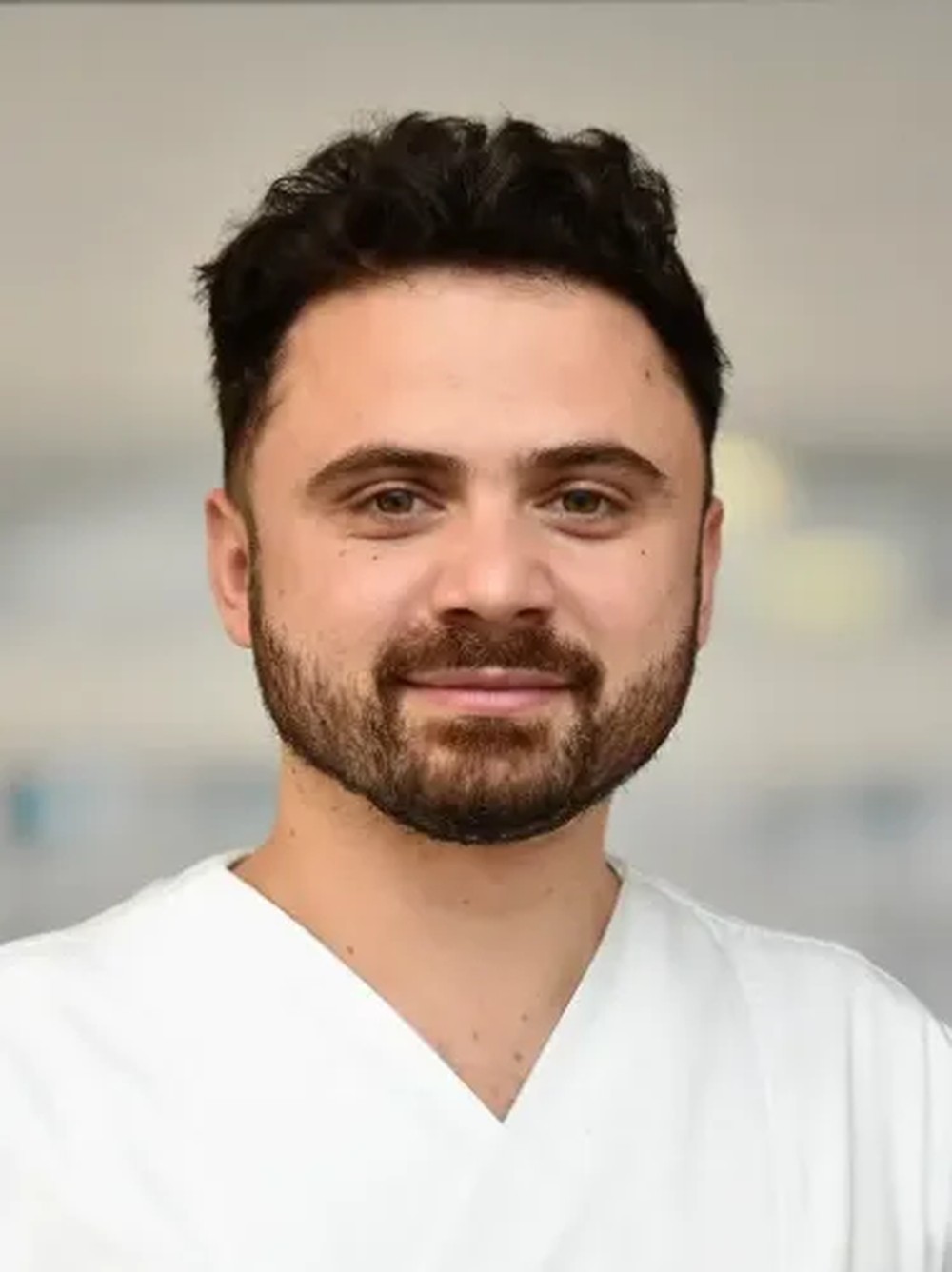
Medically verified information by Dr. Alin Constantin — VP, European Endometriosis League