
Infertility — evaluation and reproductive surgery
Infertility affects approximately 15% of couples. A thorough, systematic evaluation is the first step toward identifying the cause and building the right treatment plan. Dr. Alin Constantin offers expertise in high-level reproductive surgery.
Identifying and treating the cause
Female infertility can have multiple causes — some of which can be resolved surgically with excellent results. Dr. Alin Constantin evaluates and treats the structural causes of infertility through minimally invasive gynecologic surgery.
Surgically treatable causes
- Endometriosis — one of the most common causes of infertility (30–50% of cases)
- Uterine fibroids — particularly large submucosal or intramural fibroids that distort the uterine cavity
- Pelvic adhesions — post-infection or post-surgical scarring that obstructs the tubes
- Tubal pathology — hydrosalpinx (fluid-filled blocked tubes), tubal obstruction
- Uterine septa — congenital malformations of the uterine cavity
- Endometrial polyps — growths that interfere with embryo implantation
The right surgical approaches can restore fertility for many years before turning to assisted reproduction (IVF) — a simpler, more natural, and less costly option.
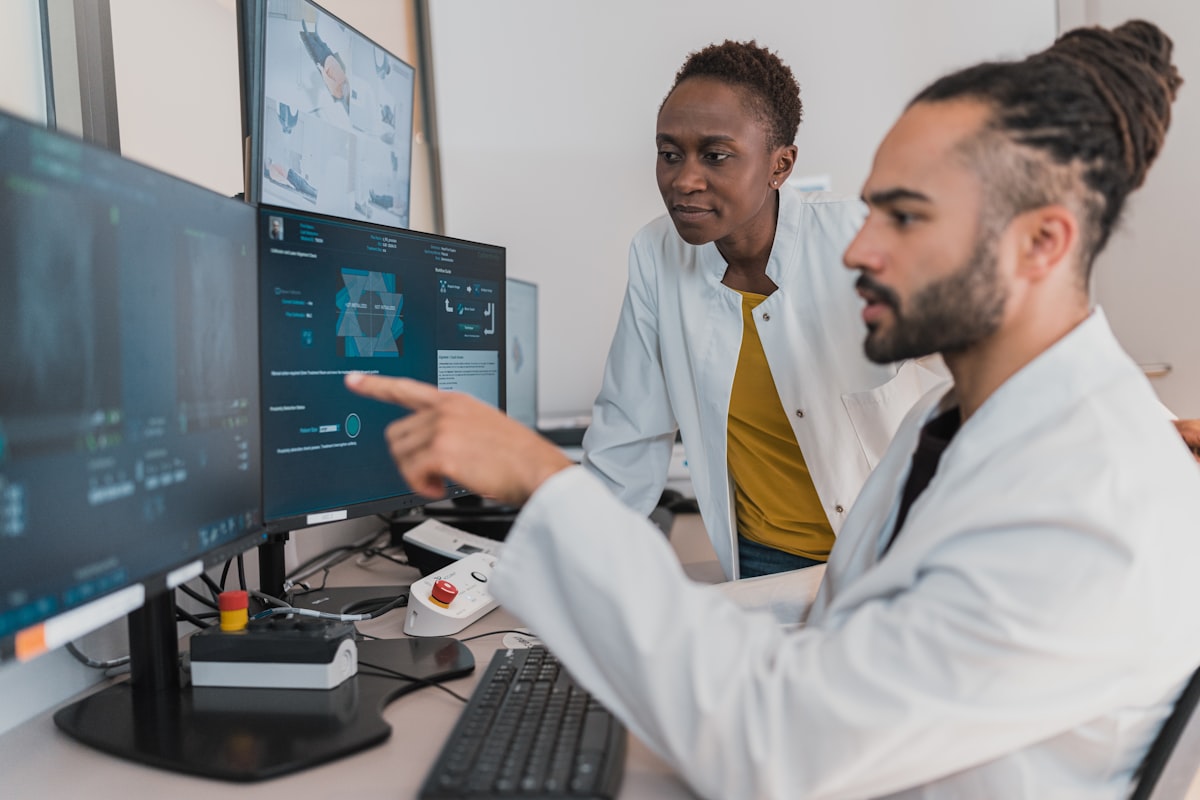
Steps in an infertility evaluation
Initial consultation
Detailed medical history, menstrual cycle history, prior investigations, partner's medical history. An open conversation about the couple's wishes and expectations.
Diagnostic investigations
Pelvic ultrasound (including ovarian-reserve assessment), hormonal tests, HSG (hysterosalpingography) to assess tubal patency, and semen analysis for the partner.
Advanced evaluation (if needed)
Diagnostic hysteroscopy to assess the uterine cavity; diagnostic laparoscopy for direct evaluation of pelvic organs and to detect endometriosis or adhesions.
Individualized treatment plan
Based on the investigations, we build the best plan — either surgical treatment, referral to assisted reproduction (IVF), or a combination of both approaches.
Reproductive surgery available
Endometriosis surgery
Complete excision of endometriotic lesions to restore normal pelvic anatomy and improve the chances of natural conception.
Laparoscopic myomectomy
Removal of fibroids with preservation of the uterus and fertility. Precise suturing of the uterine wall to prepare for pregnancy.
Salpingotomy / salpingectomy
Treatment for hydrosalpinx — draining the fluid from the blocked tube to improve IVF success rates or restore natural fertility.
Frequently asked questions about infertility
-
After 12 months of trying to conceive without success if you are under 35, or after 6 months if you are over 35. See a specialist sooner if you have: irregular menstrual cycles, a history of endometriosis, pelvic infections, miscarriages, or prior pelvic surgery.
-
Yes, in selected cases. Surgical treatment of moderate/severe endometriosis, fibroids that affect the uterine cavity, pelvic adhesions, or hydrosalpinx can significantly increase the chances of natural conception or the success rate of IVF.
-
The decision depends on the cause of infertility, age, and the couple's preferences. In some cases, surgery corrects the cause and pregnancy occurs naturally. In others, surgery improves the chances of IVF success. Dr. Alin Constantin will discuss the best strategy with you in detail.
Let's build a plan together
Every infertility case is unique. The first step is a consultation for a full evaluation and an open discussion about your options.
Book Pre-Consultation
We are here for you. Fill out the form or contact us directly.
Quick reply: We usually respond within 24 business hours. For urgent matters, please contact us directly by phone or WhatsApp.
Related articles
Medically reviewed by Dr. Alin Constantin — VP European Endometriosis League